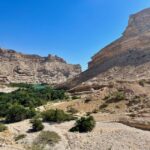

Bali gets the crowds, the influencers, and the direct flights. Raja Ampat gets the reefs that marine biologists call the richest on Earth, and a fraction of the visitors. Tucked into the northwest tip of West Papua, this scattered archipelago of limestone islands is harder to reach than Bali and takes real planning, but for travelers chasing untouched water and quiet islands, it rewards the effort.
Getting There and Getting Around
There is no shortcut to Raja Ampat, and that is part of what keeps it wild.
- Fly into Sorong via Jakarta or Makassar, usually with a connection through Manado or Denpasar.
- From Sorong, take a public ferry or a chartered speedboat to Waisai, the regional hub, a ride of roughly two to three hours.
- From Waisai, small boats operated by homestays or dive resorts ferry guests to individual islands. There are no roads connecting most islands, so boat transfers are simply how you move.
- Budget a full day of travel each way. Flight delays and rough seas are common, so build in a buffer rather than booking a tight connection home.
Where to Stay
Accommodation ranges from simple family-run wooden homestays to higher-end dive resorts, and the price gap between them is enormous.
- Homestays: Basic bungalows on stilts, often with shared bathrooms and just a few hours of generator power a day. These are run by local families and are the backbone of community tourism in the region.
- Mid-range dive lodges: More reliable electricity, private bathrooms, and set dive packages.
- Liveaboard boats: The most efficient way to reach far-flung dive sites like Misool’s southern reefs, at a higher daily cost.
“You don’t come here for the wifi,” one longtime dive guide in Raja Ampat is fond of telling first-time guests. It is not a complaint, it is the whole point.
Food: Simple, Fresh, and Fish-Heavy
Dining options are limited compared to Bali’s cafes and beach clubs, and that is fine, because the food that is available is fresh and unfussy.
- Homestays typically serve fixed meals of grilled or fried fish, rice, stir-fried greens, and sambal, often three times a day as part of the room rate.
- Fish and squid come straight from local fishermen, sometimes the same morning.
- Bring snacks, coffee, or specific dietary items from Sorong, since island shops are minimal and produce choice narrows the farther you go.
- Bottled or filtered water is standard practice; tap water is not safe to drink.

Public Safety and Practical Health Notes
Raja Ampat is a remote region, and the safety considerations are less about crime and more about distance from help.
- Petty crime is rare on the islands; most homestay operators know their guests personally and communities are small and close-knit.
- Medical facilities are basic outside Waisai and Sorong. Serious injuries or dive accidents require evacuation, so proper dive insurance with medical evacuation coverage is essential, not optional.
- Malaria risk exists in parts of Papua; talk to a travel clinic about prophylaxis before the trip.
- Currents around the islands can be strong, and diving here is often drift diving. Go with a certified local operator rather than freelancing a dive, even if you are experienced.
- Cell signal is patchy to nonexistent on many islands. Tell someone your itinerary before you head out, and treat that disconnection as part of the experience rather than an inconvenience.
Prices: What to Actually Expect
Raja Ampat is not a budget destination in the way that parts of mainland Indonesia can be, mostly because everything, including fuel and food, has to be shipped or flown in.
- Entry requires a Raja Ampat Marine Park permit, paid once and valid for the calendar year; keep the card on you, as it gets checked at multiple sites.
- Basic homestays with meals included run in the moderate range per night, roughly comparable to a mid-range hotel elsewhere in Indonesia.
- Dive packages, whether day trips or multi-day liveaboards, are priced per dive or per package and add up quickly if you are diving daily.
- Boat charters between islands are one of the bigger variable costs, and prices are generally negotiated directly with boat owners.
- Overall, expect a multi-day trip here to cost noticeably more than an equivalent stretch in Bali or Lombok, largely due to logistics rather than luxury.
What Makes the Diving Different
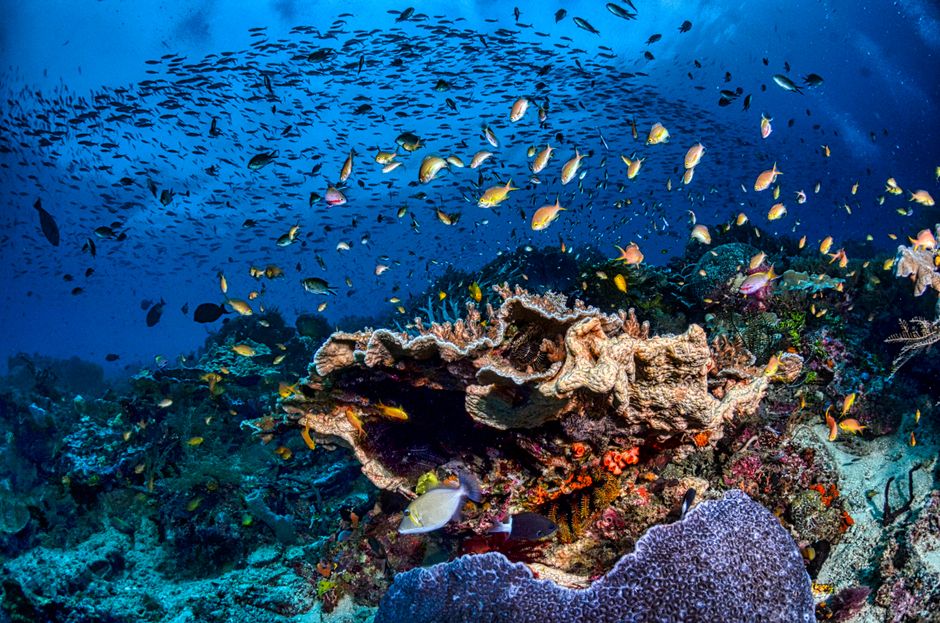
The reason serious divers make the long trip is the sheer density of marine life. The waters around Raja Ampat sit within the Coral Triangle, an area recognized for having among the highest counts of coral and reef fish species found anywhere in the world. Manta ray cleaning stations, schooling fish walls, and pristine hard coral gardens are common rather than rare here, and many sites remain far less dived than comparable spots in Southeast Asia.
A Few Practical Tips
- Bring cash. ATMs are limited to Waisai and unreliable even there.
- Pack reef-safe sunscreen; the marine park’s health depends on visitors respecting it.
- Plan for at least four to five nights to make the long journey worthwhile.
- Rainy season brings rougher seas and lower visibility, so shoulder months are worth checking against your dive goals.
Raja Ampat asks more of travelers than Bali does: more time, more planning, more tolerance for basic infrastructure. What it gives back is reef life most divers only see in documentaries, and islands that still feel like they belong to the people who live on them.
Follow us on Facebook