Zanzibar, off the coast of Tanzania in East Africa, is a striking mix of natural beauty, deep history, vibrant culture, and pristine beaches.
If you’re planning your travels for the year ahead, put Zanzibar on your list. Here are the reasons it’s worth visiting in 2025/2026.
Stunning Beaches and Turquoise Waters
Zanzibar is famous for its jaw dropping beaches and turquoise water, making it a natural pick for anyone who loves the coast. The island’s shoreline stretches for miles, with beach after beach worth exploring.
Zanzibar’s beaches are lined with soft white sand that feels almost too good to be true underfoot. Walking barefoot along these untouched shores is a small pleasure in itself, the sand gently giving with every step.


The clean, unspoiled beauty of the beaches brings a sense of calm that’s hard to find elsewhere. The waters around the island shift through mesmerizing shades of turquoise, and the clarity is good enough to spot marine life right from the surface.
Wade into the calm water and you’ll find a world of colorful coral reefs, tropical fish, and other sea creatures. Snorkeling and diving here are the kind of experience that make you stop and just watch.
The clean, unspoiled beauty of the beaches brings a sense of calm that’s hard to find elsewhere.
Highlights:
- White sand beaches perfect for slow walks or lying in the sun
- Crystal clear turquoise water ideal for swimming
- Colorful coral reefs and tropical fish just below the surface
- A calm, unhurried beach atmosphere far from everyday noise
- Miles of coastline to explore, beach after beach
Zanzibar’s Rich Cultural Heritage
Zanzibar is a melting pot of cultures, and that mix shows up everywhere, in the buildings, the food, and the daily rhythm of the island. Here’s where to look for it.
Stone Town: A UNESCO World Heritage Site
Start your cultural tour in Stone Town, the historic heart of Zanzibar. This tangle of narrow, winding streets is a UNESCO World Heritage Site and a window into the island’s past.
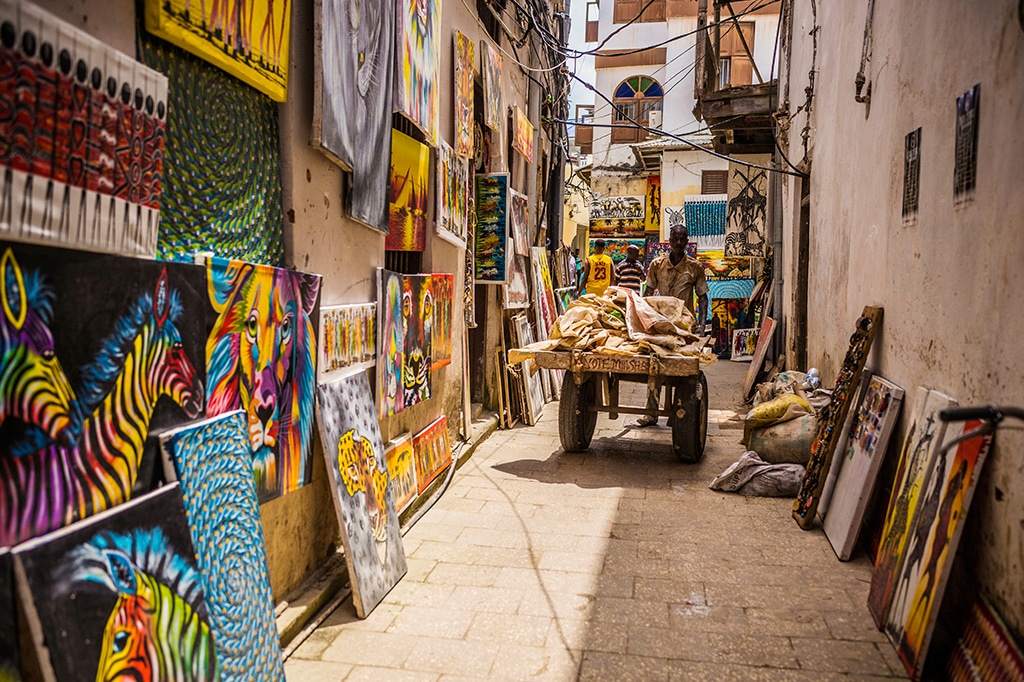
Wander the alleys and you’ll pass beautifully preserved buildings, ornately carved wooden doors, and intricate balconies. Every architectural detail tells part of the island’s story, where African, Arab, Indian, and European influences all left their mark.
Highlights:
- Narrow streets that feel like a walk through history
- A UNESCO World Heritage Site preserved for future generations
- Well kept buildings with carved doors and balconies
- A visible blend of African, Arab, Indian, and European culture
Historical Landmarks
Stone Town holds several landmarks that reveal Zanzibar’s history. Visit the Palace Museum, also known as Beit al-Sahel, once home to the island’s sultans.
Walk through its grand halls and galleries, filled with artifacts and furniture from the sultanate era. The House of Wonders, or Beit al-Ajaib, is another essential stop, known for its striking clock tower and exhibits on Zanzibar’s history and culture.
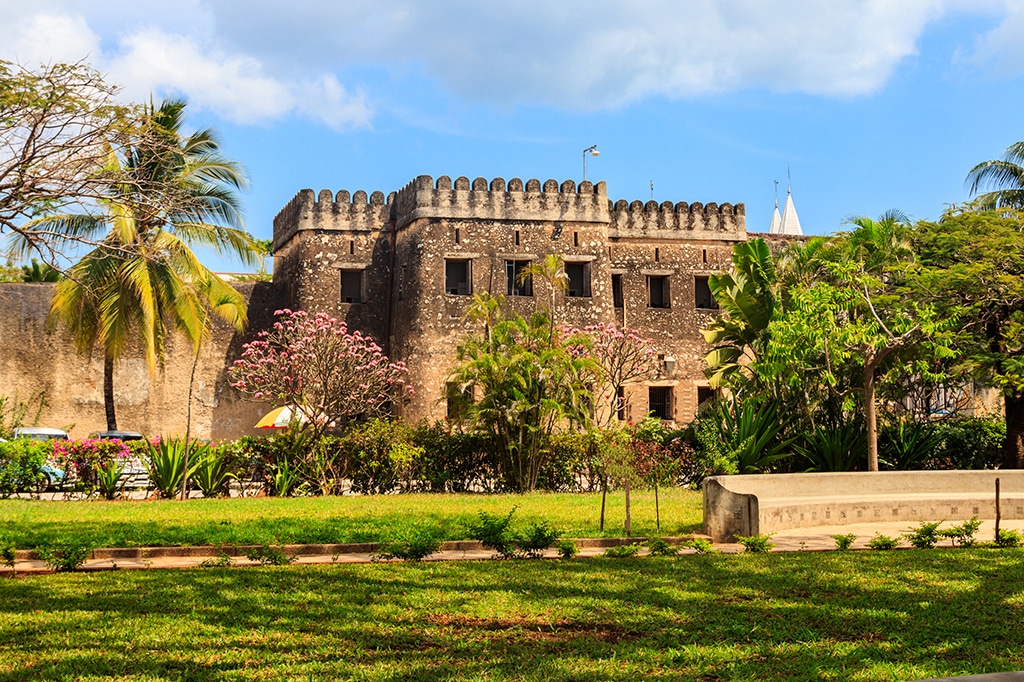
The Old Fort, built by Omani Arabs in the 17th century, now works as a cultural center hosting art exhibitions, live music, and other events.
Highlights:
- The Palace Museum (Beit al-Sahel), the former residence of Zanzibar’s sultans
- Exhibits capturing the sultanate era, from furniture to royal artifacts
- The House of Wonders (Beit al-Ajaib), with its clock tower and history displays
- The Old Fort, a 17th century structure now home to art shows and live performances
A History of Spice and Trade
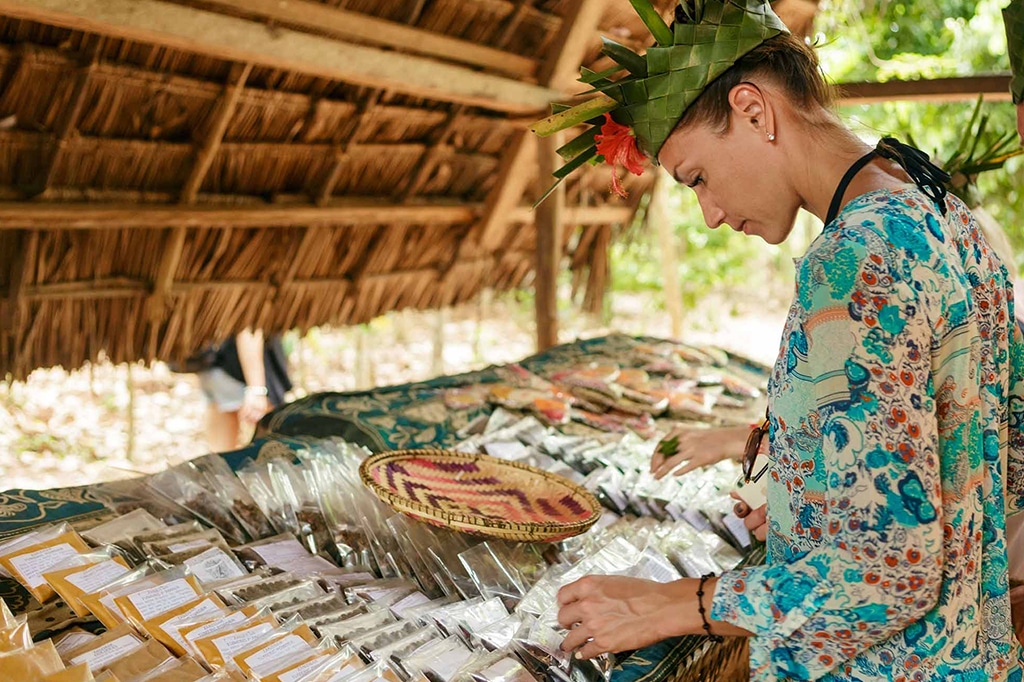
Zanzibar’s reputation as the “Spice Island” is well earned. Lush spice plantations across the island produce a striking range of fragrant crops, and a spice tour is the best way to experience it firsthand.

Aromatic Delights
Zanzibar’s spice plantations are a full sensory experience. The air carries the scent of cloves, nutmeg, cinnamon, cardamom, and vanilla as you walk through the lush green fields. Let the aromas pull you into what makes Zanzibar’s spice culture so distinctive.
Highlights:
- The mingled scents of clove, nutmeg, cinnamon, cardamom, and vanilla in the air
- Vivid, lush fields growing a wide range of spices
- A living tradition tied to the island’s identity
- Guided tours explaining how spices are grown, harvested, and used
Guided Tours
Spice plantation tours let you explore with the help of experienced local guides, who share insight into how spices are grown, harvested, and processed. Along the way, you’ll learn about each spice’s medicinal properties and its cultural significance in Zanzibar.
Highlights:
- Local guides who know the plantations inside and out
- A hands on look at spices from field to table
- Insight into the role spices play in local cuisine and customs
- Notes on the traditional medicinal uses of different spices
- A sensory experience you can see, smell, and taste
Spice Varieties
Zanzibar grows an impressive range of spices that thrive in its tropical climate. Clove, known for its rich, sharp flavor, is one of the island’s most famous and valuable exports.
Nutmeg, with its warm, slightly sweet taste, also grows here in abundance. Cinnamon, prized for its distinctive aroma and versatility in cooking, is another key crop.
Vanilla is grown on the island too, valued for its rich, sweet fragrance. Other spices you might come across on a tour include cardamom, ginger, turmeric, and black pepper.
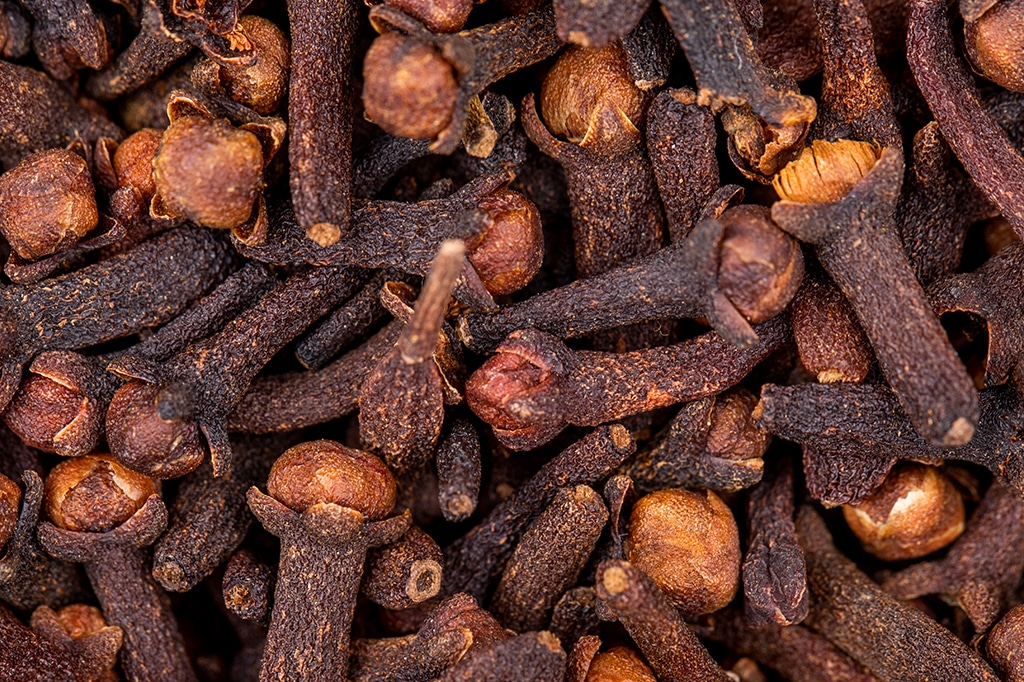

Highlights:
- Clove, one of Zanzibar’s most valuable exports, known for its strong flavor
- Nutmeg, grown in abundance and used in both sweet and savory dishes
- Cinnamon, prized for its aroma and versatility
- Vanilla, valued for its rich, sweet fragrance
- Cardamom, ginger, turmeric, and black pepper rounding out the selection
Markets and Bazaars
Zanzibar’s busy markets and bazaars offer a sensory experience of their own, and a glimpse into the island’s trading history. Visit Darajani Market, where locals buy and sell spices, fresh produce, textiles, and handmade goods.
Wander through the maze of stalls and take in the colors and smells. For something different, check out the Forodhani night market, which comes alive after sunset with vendors selling local snacks, grilled seafood, and cold drinks.
Highlights:
- Darajani Market, a hub of local trade in spices, produce, and textiles
- A maze of stalls full of color, scent, and conversation
- Forodhani night market, lively after sunset
- Grilled seafood, fresh juice, and traditional snacks to try
Exquisite Spice Plantations
Often called the “Spice Island,” Zanzibar is known for its fragrant plantations. Join a guided tour to walk the green fields and learn how clove, nutmeg, cinnamon, and vanilla are grown.
Pick up a few spices as souvenirs to bring the flavors of Zanzibar into your own kitchen. A spice tour is a chance to slow down, use your senses, and understand the island’s culinary heritage a little better.
Highlights:
- A guided walk through the “Spice Island’s” plantations
- Fresh clove, nutmeg, cinnamon, and vanilla straight from the source
- Traditional drying and processing methods explained
- Spices to take home as souvenirs and cooking ingredients
Untouched Nature and Wildlife
Nature lovers have plenty to explore on Zanzibar. Visit Jozani Chwaka Bay National Park, a haven for biodiversity where you can spot the endangered red colobus monkey, unique mangrove ecosystems, and a wide range of bird species.
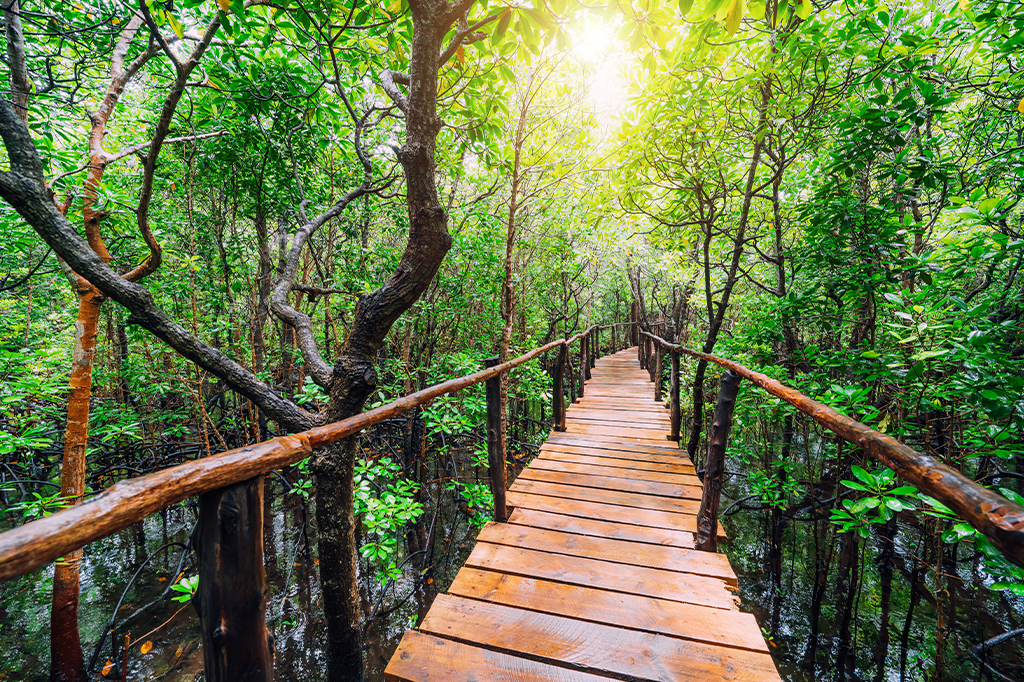

Take a boat trip out to Menai Bay Conservation Area to watch dolphins in clear water, or head into the sea itself for snorkeling, diving, and the chance to swim near sea turtles.
The island’s varied landscape, from dense forest to scenic plantations, makes it a natural fit for eco-tourism and outdoor adventure.
Highlights:
- Jozani Chwaka Bay National Park, home to the endangered red colobus monkey
- Boat trips in Menai Bay to watch dolphins in clear water
- Snorkeling, diving, and swimming near sea turtles
- Forests and plantations offering scenic walks and eco-tourism
Tranquil Island Retreats and Luxury Accommodations
Zanzibar has accommodation for every budget and taste, from luxury beach resorts to boutique hotels and eco-friendly lodges.
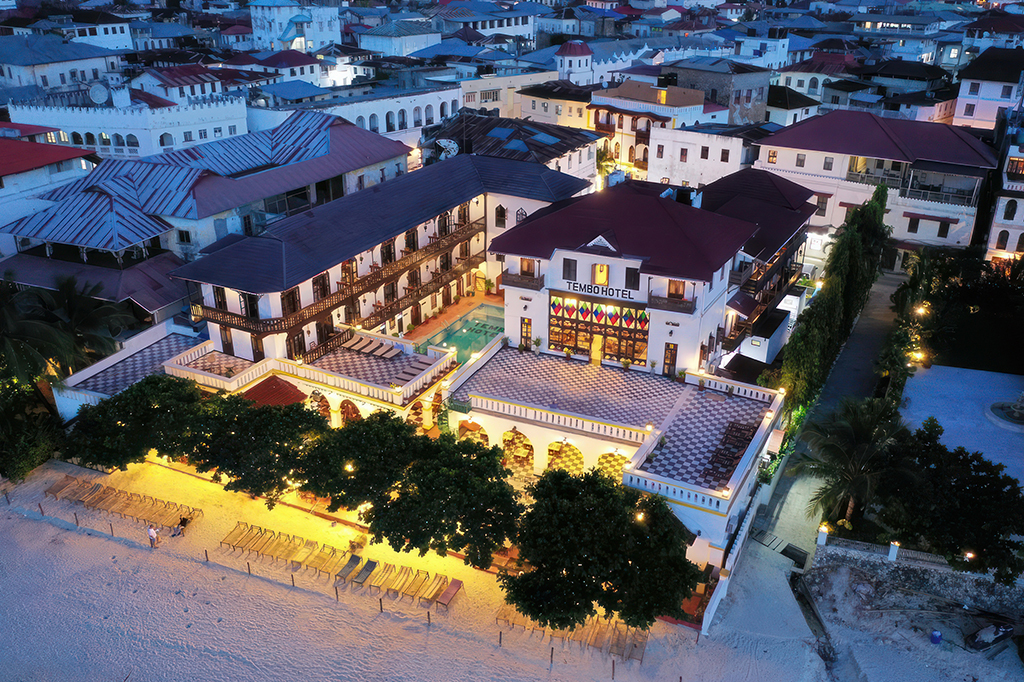
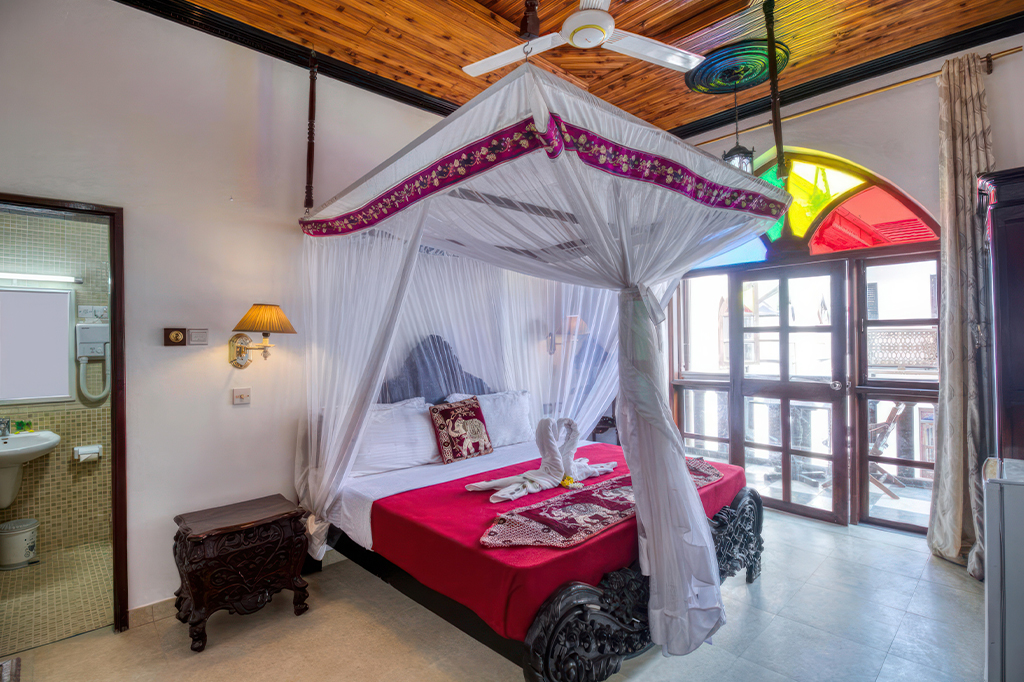
Many properties offer private beaches, striking ocean views, and world class amenities. Spa treatments inspired by local tradition are common too, a good way to unwind after a day of exploring.
Whether you’re after a romantic getaway, a family trip, or a quiet retreat, Zanzibar delivers a break from everyday life.
Highlights:
- Options ranging from luxury resorts to boutique hotels and eco lodges
- Private beaches and ocean views at many properties
- Spa treatments rooted in local tradition
- Settings suited to romantic trips, family holidays, or solo retreats
Conclusion
Zanzibar draws people in with its beauty, its layered culture, and the sheer range of experiences on offer. From untouched beaches and turquoise water to Stone Town’s history and the island’s spice plantations, it blends relaxation, adventure, and cultural discovery in one place.
Plan a trip to Zanzibar in 2025/2026 and see for yourself what makes this island so memorable.
Frequently Asked Questions
When is the best time to visit Zanzibar?
The best time to visit is during the dry season, roughly June through October and January through February. Temperatures sit between 25°C and 30°C (77°F to 86°F), ideal for the beach, snorkeling, and sightseeing.
The rainy season, from March to May and November to December, can bring heavy downpours that limit some activities. Visiting in the shoulder seasons can mean fewer crowds and lower prices.
What are the must see attractions on Zanzibar?
Stone Town, a UNESCO World Heritage Site, is known for its historic architecture and busy markets. Walk its narrow streets, visit the House of Wonders, and try the local food.
Beaches like Nungwi and Kendwa offer clear water perfect for swimming and sunbathing. Jozani Chwaka Bay National Park lets you see the endangered red colobus monkey in the wild, and a spice plantation tour will fill in the island’s history as a trading hub.
What is there to do on Zanzibar?
Water sports fans can snorkel, dive, or swim with dolphins in Menai Bay, home to a rich range of marine life.
- Kitesurfing and other water sports along the coast
- A sunset dhow cruise for a different view of the shoreline
- Spice tours for a deeper look at local culture and history
- Hikes through Jozani Forest and visits to historic sites
What is Zanzibar’s local cuisine like?
Zanzibar’s food is a delicious mix shaped by the island’s varied heritage, with spices playing a central role.
- Biryani, pilau, and seafood curry showing off the island’s spice traditions
- Fresh seafood, including fish, octopus, and prawns, often grilled or cooked in coconut milk
- Street food like uji (a local porridge), samosas, and mishkaki (skewered meat)
Trying the local street food is one of the best ways to get a feel for Zanzibar’s food culture.
How do you get around Zanzibar?
Getting around the island is fairly easy. Taxis and dala-dalas, the local minibuses, are a cheap way to cover short distances.
Renting a scooter or bicycle is popular for travelers who want to explore at their own pace and reach more remote areas. Many hotels also offer transfers to the island’s main attractions.
Follow us on Facebook