Patagonia Travel Guide: Glaciers, Peaks, and Remote Trails in Argentina and Chile

Patagonia sits at the bottom of the world, split between Argentina and Chile, and it holds some of the last truly empty landscapes on the planet. Glaciers calve into turquoise lakes, granite spires punch through the clouds, and wind moves across the steppe with a force that locals simply call “the wind,” no further explanation needed. This guide covers what to see, what it costs, how to stay safe, and what to eat.
Getting Oriented
Patagonia is not one destination, it’s a region roughly the size of Western Europe, stretching from the Argentine city of Bariloche in the north down to Tierra del Fuego at the continent’s tip, and mirrored across the Chilean side of the Andes.
Most travelers focus on a few anchor points:
- El Chalten and El Calafate, Argentina: trekking near Mount Fitz Roy and the Perito Moreno Glacier
- Torres del Paine National Park, Chile: multi-day circuit hikes among granite towers
- Bariloche, Argentina: lakes, chocolate, and easier day hikes
- Ushuaia, Argentina: the southernmost city, gateway to Antarctic cruises
Distances are large and public transport is limited, so most itineraries combine flights between hub cities with buses or rental cars for the shorter stretches.
Glaciers and Mountains Worth the Trip
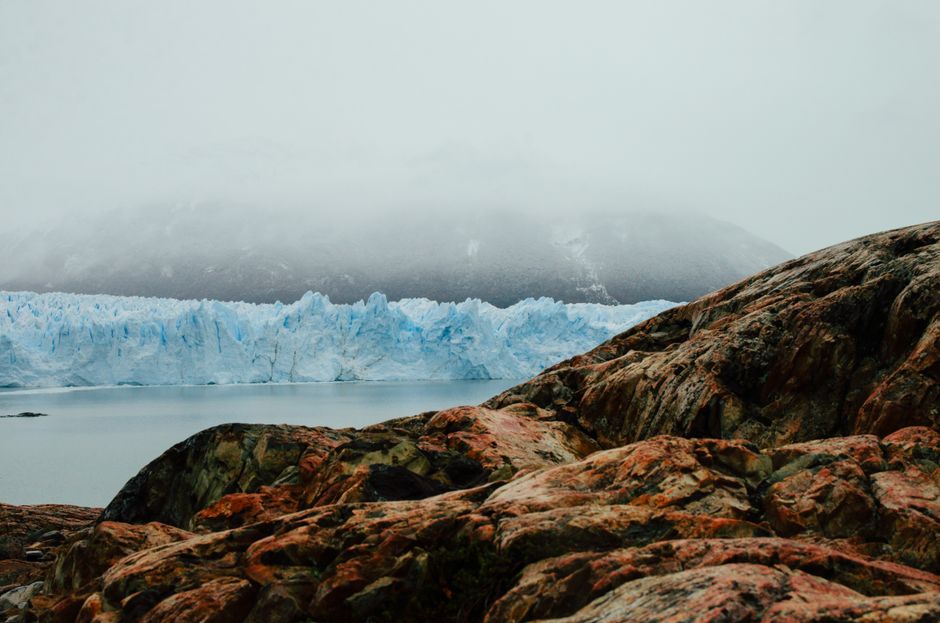
Perito Moreno Glacier
Near El Calafate, this glacier is famous for actively advancing and periodically calving huge chunks of ice into Lago Argentino. Boardwalks let visitors watch from a safe distance, and boat tours get closer to the ice face.
Torres del Paine
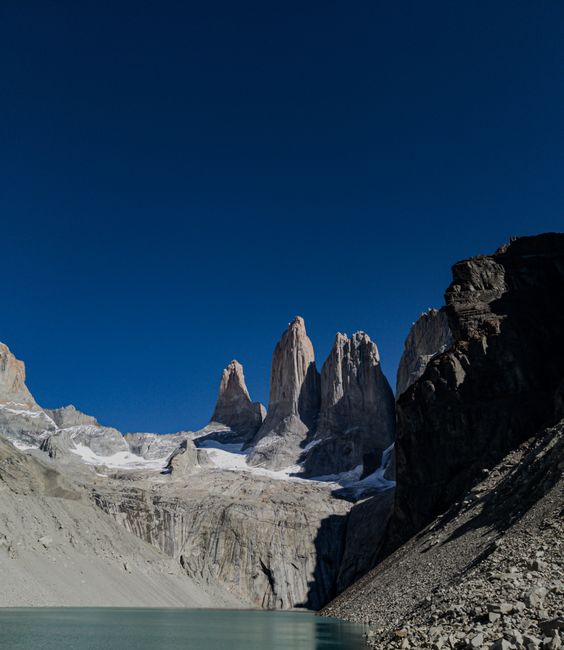
Chile’s flagship park centers on three granite towers and a turquoise lake system. The full “W” trek takes four to five days; the longer “O” circuit takes eight to ten. Refugios (mountain huts) along the route mean you don’t always need to carry a tent, though beds must be booked well in advance.
Fitz Roy and El Chalten
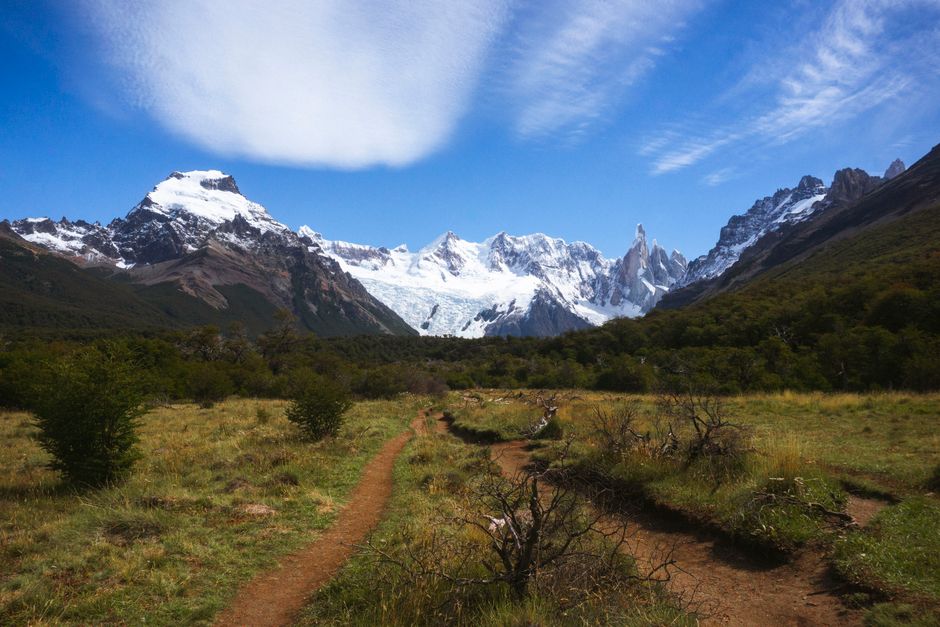
El Chalten calls itself Argentina’s trekking capital. Trails to Laguna de los Tres and Laguna Torre are free to enter, well marked, and doable as day hikes from town.
“You don’t climb Fitz Roy to conquer it. You just hope the clouds part long enough to see it once.”
That sentiment comes up constantly among hikers in town, since the peak is famously shy and often hidden behind its own weather system.
Public Safety
Patagonia is, on the whole, a very safe travel region. Violent crime against tourists is rare in the towns that serve as trekking bases. The real risks are environmental, not criminal.
- Weather changes fast. Sun, rain, and strong wind can all happen in a single afternoon.
- Wind gusts in open areas can knock hikers off balance, especially near cliffs or lake shores.
- Trails can be remote with no cell signal. Register at ranger stations (CONAF in Chile, park offices in Argentina) before multi-day treks.
- Tap water is generally safe in cities and towns on both sides of the border.
- Petty theft happens in bus terminals and busy tourist spots, so keep bags close, same as anywhere.
Carry layers, a windproof shell, and more food and water than you think you’ll need. Rescue services exist but response times in remote valleys can stretch to many hours.
What Things Cost
Patagonia is not a budget destination compared to the rest of South America, though it’s still cheaper than a comparable trip in the European Alps or New Zealand.
- Budget hostel dorm bed: roughly $15-25 USD per night
- Mid-range hotel double room: roughly $70-140 USD per night
- Refugio bunk with dinner and breakfast in Torres del Paine: roughly $60-100 USD per night
- Park entrance fees: Torres del Paine charges a multi-day entry fee; El Chalten’s trails are free
- Long-distance bus between hub towns: roughly $20-60 USD depending on distance
- Sit-down dinner with a glass of wine: roughly $15-30 USD
Chile tends to run slightly more expensive than Argentina for lodging and imported goods, though Argentina’s inflation and shifting exchange rates mean prices there can swing quickly, so check current rates before budgeting too tightly.
Food and Drink
Patagonian cooking leans hearty, built for cold weather and long days outdoors.
- Cordero patagonico: lamb slow roasted over an open fire, often for hours, a regional specialty around El Calafate and Puerto Natales
- Centolla: Southern king crab, common in Ushuaia and Punta Arenas
- Calafate berry: a small tart berry used in jams, sauces, and a well known regional liqueur
- Malbec and other Argentine wines pair naturally with the lamb-heavy menus
- Chilean side favors seafood chowders like curanto, plus hearty stews for cold nights
Bakeries in both countries sell strong coffee and pastries, useful fuel before an early trailhead start.
Practical Trip Tips
- Book refugios and campsites in Torres del Paine months ahead in peak season (November through March)
- Pack for four seasons in one day, regardless of month
- Bring cash in small bills for remote towns where card machines are unreliable
- Cross-border buses between Argentina and Chile exist but involve slow immigration stops, budget extra time
Patagonia rewards patience. The weather won’t cooperate on schedule, the distances are real, and the glaciers and peaks don’t care about anyone’s itinerary. Go anyway, the empty landscapes are the whole point.
Follow us on Facebook