Faroe Islands Travel Guide: Cliffs, Weather, Costs, and Getting Around
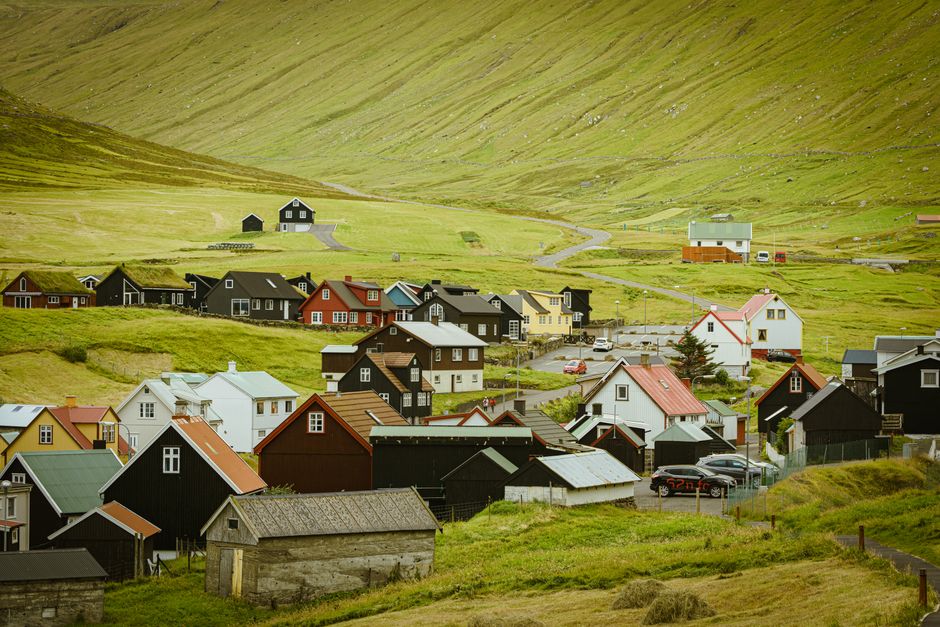
Eighteen islands scattered in the North Atlantic, halfway between Norway and Iceland, make up the Faroe Islands. Grass roofed houses cling to hillsides, sheep outnumber people, and waterfalls drop straight off cliff edges into the sea. It is one of the more dramatic landscapes in Europe, and one of the least crowded.
Climate: Pack for Four Seasons in One Day
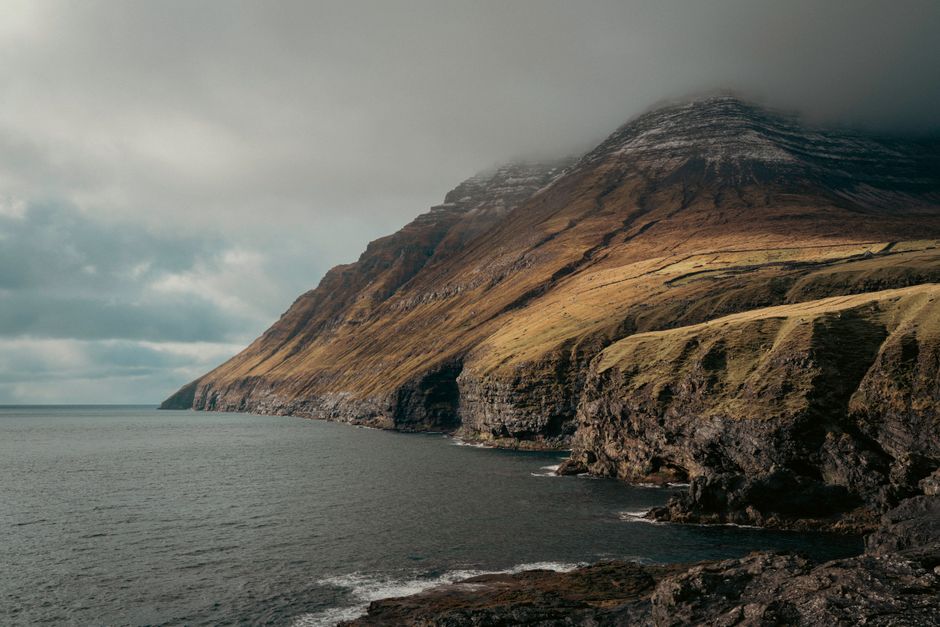
The Faroese climate is subarctic oceanic, which in practice means mild but unpredictable. Winters rarely dip far below freezing thanks to the Gulf Stream, and summers rarely climb much above 15 degrees Celsius. What defines the weather is not temperature but change.
“If you don’t like the weather, wait five minutes,” is the local saying, and it holds up more often than not.
A few things to expect:
- Wind is constant and can be strong enough to close roads and cancel ferries.
- Fog rolls in fast, especially on higher ground and around the cliffs.
- Rain is frequent year round, so waterproof layers matter more than warm ones.
- June through August offers the longest daylight and calmest conditions, though nothing is guaranteed.
Because conditions shift quickly, locals check forecasts obsessively before hikes or ferry crossings, and visitors should do the same.
Pricing: A Nordic Budget
The Faroe Islands use the Danish krone, and prices track closely with mainland Scandinavia. This is not a budget destination.
- A simple restaurant meal typically runs 150 to 250 DKK.
- A basic hotel room often starts around 900 to 1200 DKK a night.
- Car rentals are widely available and generally the most cost effective way to see multiple islands in a short trip.
- Many hiking trails that cross private land, including the popular route to Trælanípa cliff, charge a small access fee collected at a booth or online.
Groceries and self catering can cut costs significantly, and most villages have at least a small supermarket.
Transportation: Tunnels, Ferries, and Helicopters
Getting between islands used to mean long ferry waits, but the Faroe Islands have invested heavily in subsea tunnels connecting the main population centers. Driving from the capital Tórshavn to more remote villages is now often a matter of an hour or two rather than a day.
Still, not every island connects by tunnel or bridge, and options vary:
- Ferries serve outlying islands like Suðuroy, Sandoy, and Mykines, with schedules that shrink in bad weather.
- A public helicopter service links some of the smaller and harder to reach communities, and seats are subsidized so prices stay reasonable for both residents and travelers.
- Buses run scheduled routes on the main islands, though a rental car gives far more flexibility for reaching trailheads and viewpoints.

Public Safety: Remote, but Not Reckless
The Faroe Islands are considered very safe in terms of crime, with low rates of theft and violence even by Nordic standards. The real safety concerns come from the landscape and weather rather than people.
- Cliff edges are often unfenced, and sudden gusts of wind have pushed hikers off balance in exposed spots.
- Fog can descend quickly on trails, obscuring both the path and the drop beside it.
- Mobile signal is unreliable in some of the more remote hiking areas.
- Sea conditions around the islands change fast, which matters for anyone considering boat tours or coastal walks near the tideline.
Locals generally recommend telling someone your hiking route in advance, checking the forecast right before setting out, and avoiding cliff edges in high wind regardless of how dramatic the photo opportunity looks.
Food: Fish, Lamb, and Fermentation
Faroese cuisine grew out of necessity in a place with little arable land and a short growing season, so the traditional diet leans heavily on the sea and on sheep.
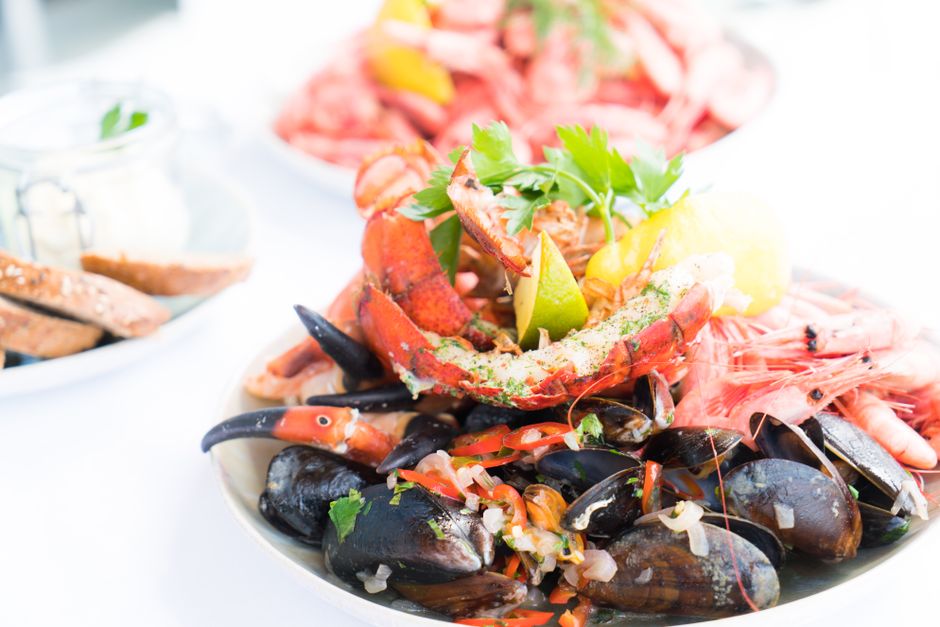
Dishes worth trying include:
- Skerpikjøt, wind dried fermented lamb that has been aged for months in an open shed.
- Ræst fish, fish preserved through a similar fermentation process, with a strong flavor that takes some adjustment.
- Fresh cod, halibut, and langoustine, often served simply with boiled potatoes.
- Rhubarb, one of the few crops that grows reliably in Faroese gardens, showing up in desserts and preserves.
In recent years, Tórshavn has also developed a small but internationally recognized fine dining scene, built around foraged and locally sourced ingredients, offering a modern counterpoint to the older fermented traditions.
Planning the Trip
The Faroe Islands reward slow travel more than a packed itinerary. Because ferries and helicopters run on limited schedules and weather can upend plans without warning, it helps to build in flexibility rather than trying to see every island in a fixed number of days. A rental car, a good rain jacket, and a willingness to adjust plans around the wind will get most travelers further than any rigid schedule.
For a destination this small, the range of experience on offer, from thousand foot sea cliffs to fermented lamb to a capital city you can walk across in twenty minutes, is unusually wide. That contrast is a large part of what draws people back.
Follow us on Facebook